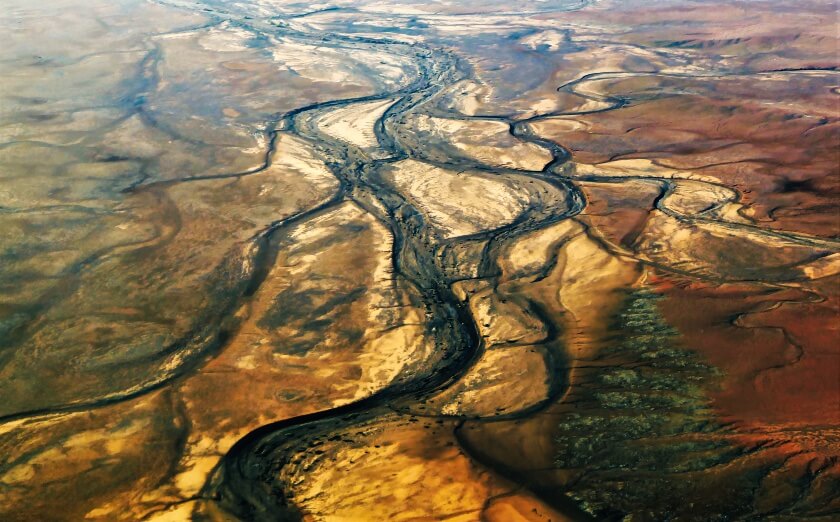
Australia is often known as “the Land Down Under,” but what many don’t realize is just how vast and empty much of it truly is. Despite being the sixth-largest country by land area, it has one of the smallest populations relative to its size. Let’s dive deeper into this surprising contrast.
The Smallest Continent Dominated by One Country
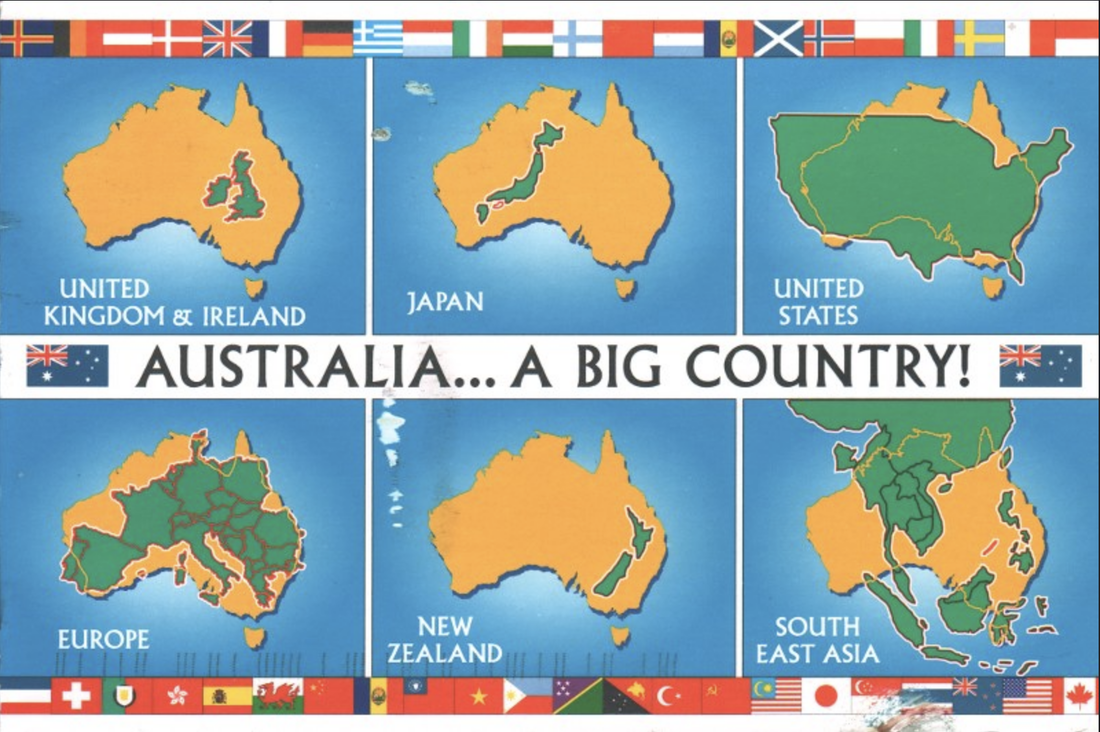
Australia is the only continent entirely governed by a single nation. Spanning over 7.6 million square kilometers, its landmass rivals that of the United States or Europe. Yet, in stark contrast to its size, Australia’s population is just over 26 million people—far smaller than many countries with less land.
Population Comparisons: Big Land, Few People
To put this into perspective, cities like Tokyo, Delhi, and Jakarta each boast populations greater than all of Australia combined. Australia’s population density is just about 3 people per square kilometer, compared to over 300 people per square kilometer in many parts of Europe and Asia. Most Australians live in a handful of major cities, predominantly along the coast, while the country’s interior—known as the Outback—remains largely uninhabited.
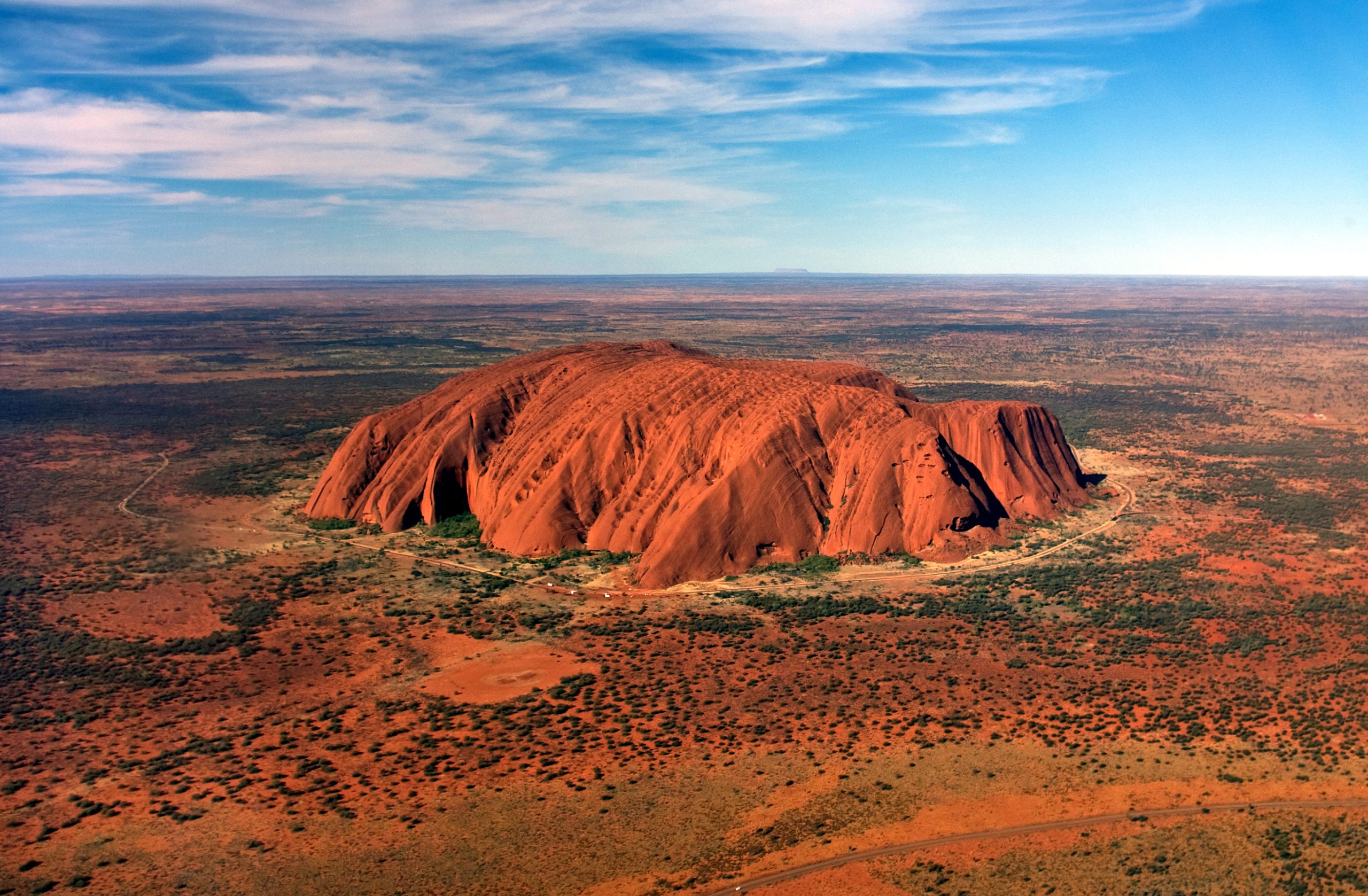
Why So Empty? The Geographic and Climatic Challenge
The reason for Australia’s low population density lies in its geography. The country’s interior is dominated by deserts, semi-arid regions, and inhospitable terrains. Known as the Outback, these areas see limited rainfall, extreme temperatures, and poor soil quality, making large-scale agriculture or settlement difficult. Unlike other continents, Australia lacks large river systems, which historically supported civilizations and cities. The Murray-Darling river basin, one of Australia’s major water sources, is limited compared to the great river systems like the Mississippi, Ganges, or Nile.
Harsh Environment, Rich Resources
Despite these limitations, Australia is a global agricultural powerhouse. Through modern technology, efficient land management, and irrigation techniques, Australia has become one of the world’s leading exporters of beef, wool, wheat, and wine. These industries thrive in pockets of fertile land along the coast and select interior regions, despite the vast stretches of unusable terrain.
Isolation and Population Growth
Australia’s geographic isolation also played a significant role in shaping its population dynamics. For much of its history, Australia’s remoteness and harsh environment deterred large waves of migration. However, since the mid-20th century, Australia has experienced significant growth due to changing immigration policies. The country now welcomes skilled migrants from around the world, creating a rich cultural tapestry that complements its modern economy.

Conclusion
Australia’s size and emptiness are defining features of this unique country. While its vast Outback may seem desolate, Australia’s major cities and coastal regions are vibrant hubs of economic and cultural activity. Its efficient agricultural practices, coupled with progressive immigration policies, have allowed Australia to thrive despite the challenges posed by its geography.
See for yourself – Visit Australia with:

Leave a Reply